
The U.S. FAST landscape is roaring ahead, with Connected TV (CTV) ad spending projected to reach $32.6 billion in 2025, nearly double its 2021 levels. FAST channels are a key subset of CTV but how does it differ from normal CTV?
Free Ad-supported Streaming TV (FAST) channels
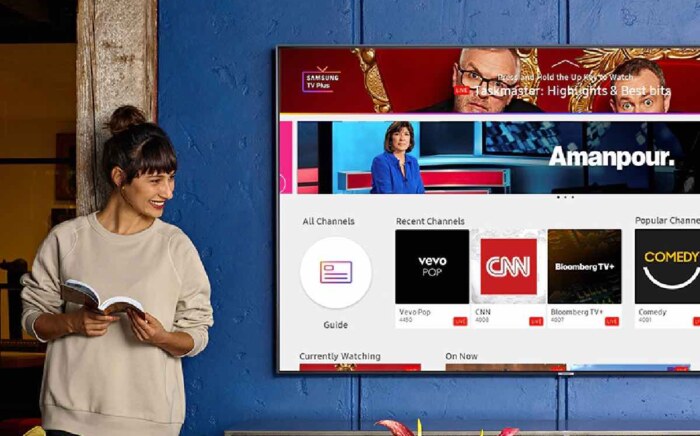
Free ad-supported streaming TV channels, or FAST channels, live up to their name by offering content for free, supported by advertisements. They have rapidly infiltrated internet-connected TVs, offering a viewing experience almost indistinguishable from traditional linear channels. However, instead of broadcasting, these channels exclusively stream content, making them cost-effective and adaptable, especially for housing extensive library content.
Why should European advertisers pay attention?
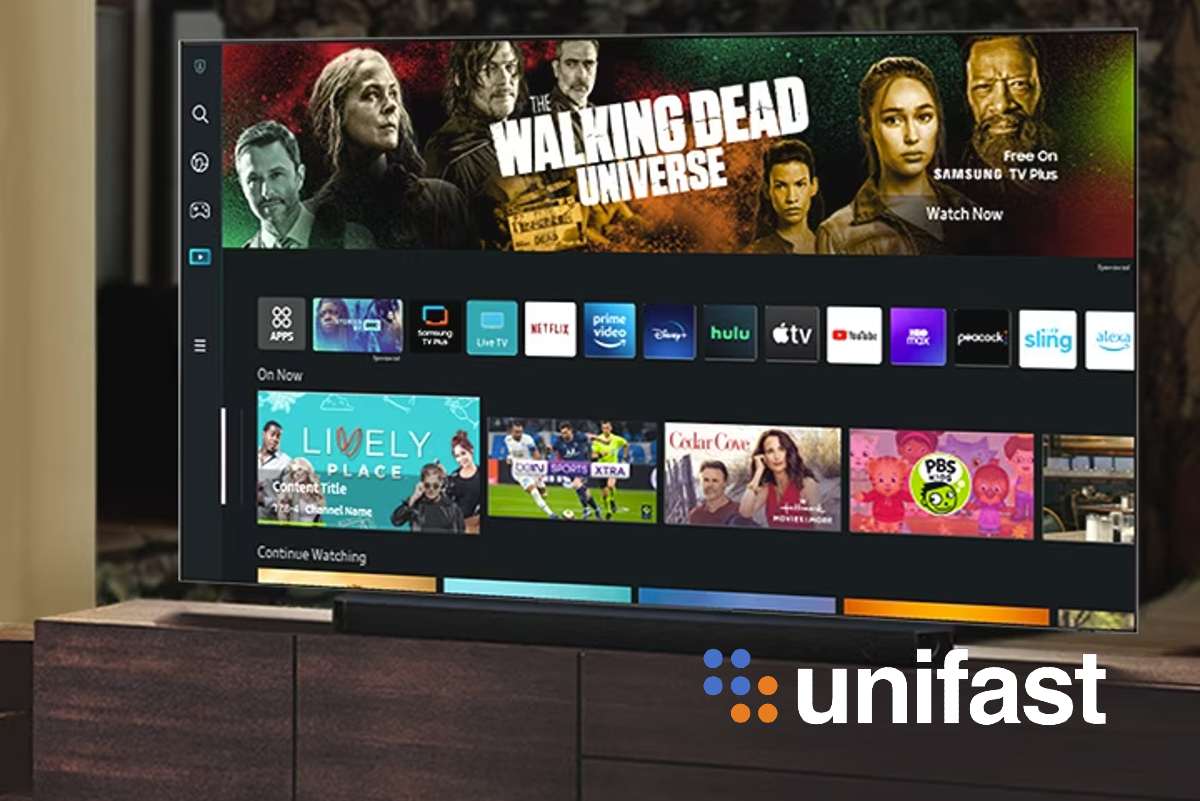
We need to look at the US! Across the pond, the FAST market is well ahead of Europe, boasting over 1,400 channels spread across 22+ networks. These channels are accessible through various platforms like Pluto TV, Xumo, Amazion, Tubi, Roku and Samsung TV Plus. And now TV budgets are moving from linear to CTV and FAST. A March 2025 report from Wurl + Streaming Media highlights that 47% of U.S. households now engage with FAST weekly and total digital video spend is set to climb another 14% in 2025, amounting to $72 billion.
On the European market, a June 2025 survey by AudienceXpress and CoLab shows nine out of ten European marketers intend to increase their spend on ad-supported streaming. And marketers are now also actively shifting budgets from traditional TV and social to FAST for improved ROI and measurement. And while precise figures vary, EMEA is showing strong uptake in users as well. Wurl reports Germany saw a 32 % increase in CTV channel volume in 2024, hinting at substantial growth in FAST channels.
First reason to pay attention: Enhanced ROI and Measurability
One of the key advantages of advertising on FAST Channels is the ability to achieve better campaign results through precise targeting and real-time performance measurement. Unlike traditional linear TV, which relies on audience demographics and a couple of thousand measurement boxes, FAST channels use programmatic advertising to deliver ads to, catered to meta data or the channels niche theme/genre.
This level of targeting reduces media waste and ensures ads are served to more relevant audiences, which translates to better engagement and conversion rates. It also builds trust as advertisers once again know alongside which content their ad is being placed and watched. In general advertisers win with better metrics than linear but still getting the same Linear TV ‘ad break’ experience, like view-through rates, completion rates, and even post-view actions.
Second reason to pay attention: FAST TV = Niche markets
FAST channels cater to various niches, from food and CSI to sci-fi, mirroring the diversity seen in cable. Some channels are dedicated to beloved reruns of shows from established production companies, but new ones are completely unique like Red Bull TV. Thanks to their quick and easy setup, channels can be created in response to trending events, such as Football-specific channels or Nature documentaries following significant news. FAST channels offer curated, broadcast-style programming—not on-demand libraries—making them ideal for casual viewing environments resembling traditional cable.
In summary: FAST is CTV + Linear
FAST channels offer a linear-style viewing experience with niche, curated content supported by programmatic ads, providing advertisers with better ROI and advanced measurement tools compared to traditional TV. In Europe, although still emerging, the FAST market is gaining momentum, with revenue expected to catch up with the U.S. and 90% of marketers planning increased investment. As our audiences seek flexible and niche content alongside their current strategy partners, FAST is becoming a key pillar in advertisers’ digital strategies.